
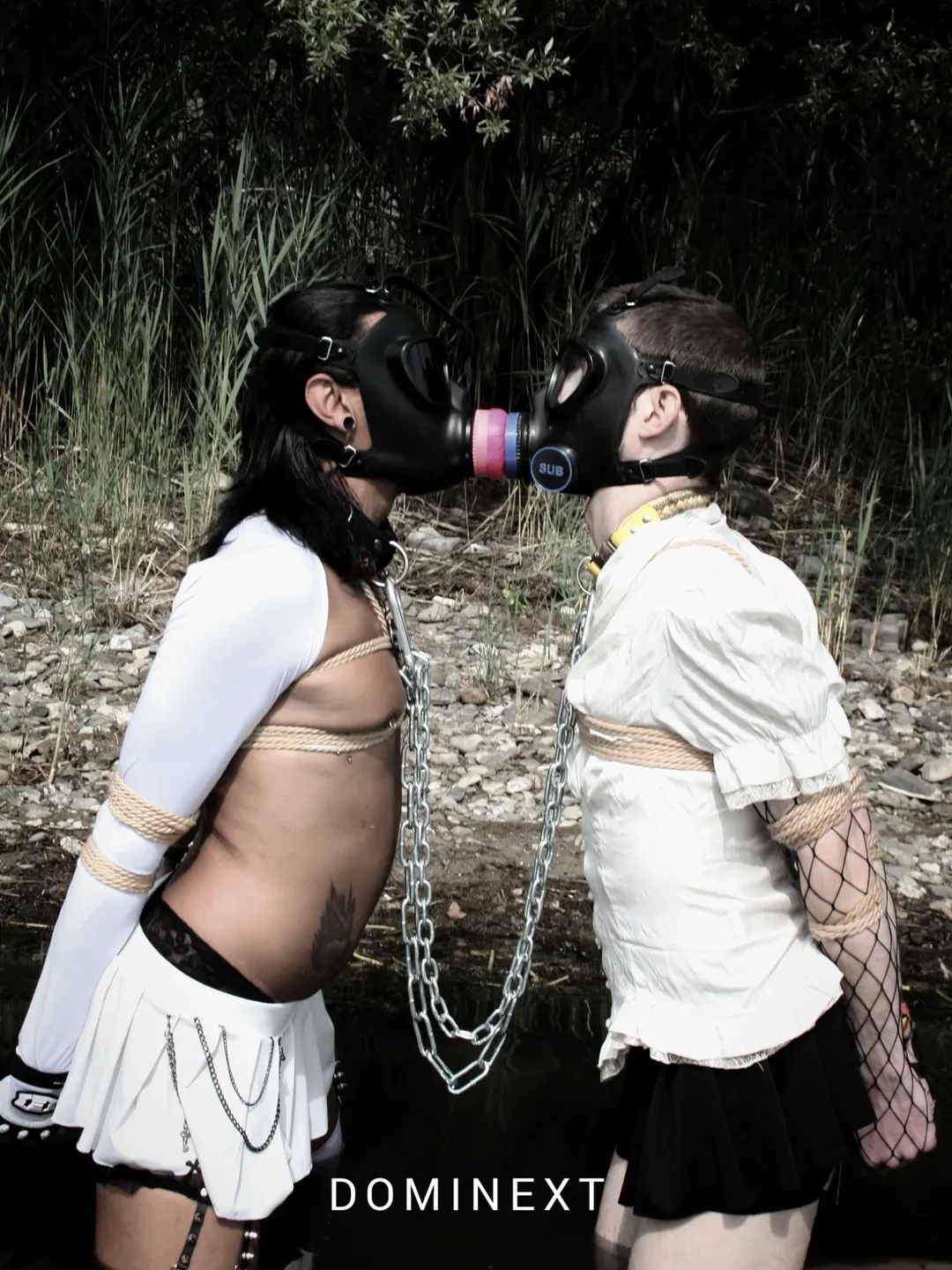
You want the truth with a little tenderness and a lot of power? You want to understand where desire comes from without being talked down to? I get it. I’ve lived in the kink world long enough to see all kinds of people and head every crazy story they had to tell. What follows blends science, lived experience, and the kind of nuance that helps you feel less alone and more equipped.
Are Kinks Developed or Are You Born With Them? Both. Biology sets the stage, experience writes the script, and culture directs the show. Most people’s kinks grow from a mix of predispositions and exposure, shaped by consent and community.
Kink vs. Fetish: Useful Words, Not Weapons
What kink covers
Kink is a big word. It includes consensual, non‑mainstream sensual or sexual practices. Think power exchange, impact play, role play, bondage, erotic ritual, service dynamics, sensation play, and plenty that is not genital or explicitly sexual. I have sat on a living room floor, fully clothed, giving a partner a massage for an hour while we negotiated control and rest. Not sexy to some. Deeply erotic to us.
- Kink can be sexual or nonsexual. The power, ritual, or sensation is often the point. But it is an arousing act at its core.
- Consent is the container. If there is no informed yes, it is not kink. It is harm.
What fetish means
A fetish is a specific, persistent focus on an object, sensation, or body part that is often necessary or central to arousal. Latex. Leather. Feet. Particular textures. For some folks, that element is a must-have. For others, it is a spice they enjoy but can skip.
- Fetish tends to be more specific and sometimes required for satisfaction.
- Kink can be broader and more flexible. The two can overlap.
Why these words matter
Language sets expectations. It helps us explain needs, ask for consent, and find compatible partners. When I tell someone I have a service kink, we can discuss protocols and aftercare. If I say I have a latex fetish, they know the garment is not just costume, it is part of the ignition system. Clear words reduce confusion and make negotiation easier.
Nature vs. Nurture: Spoiler, It Is Both
The biopsychosocial lens
The best frame we have is biopsychosocial. Biology, psychology, and social environment interact across time. Your nervous system has its quirks. Your mind makes meaning. Your world provides scripts, shame, and community. There is no single switch that turns a kink on.
As one straightforward summary puts it, influence is real but destiny is not. According to Glamour’s overview of kink genetics, kinks are “both” hereditary and learned. People high in sensation seeking often need stronger novelty to hit their pleasure threshold, which can steer them toward exploring kink. That does not mean anyone is born “a rope person” or “a brat tamer.” It means some of us are more open to, or soothed by, certain stimuli.
What we still do not know
Sex research struggles for funding. Large, long-term studies on desire are rare. We have intriguing correlations and a lot of community wisdom. We do not have a full map. That is normal for human sexuality. Curiosity and humility serve us better than certainties.
Source: The Varsity
Biology’s Nudge: Personality, Chemistry, And The Body
Personality and novelty
Some people are wired for novelty and intensity. High sensation seekers tend to chase new experiences, which can include kink exploration. This trait is stable enough to matter, but not so fixed that you cannot evolve. I have watched quieter partners light up when they found that new idea, and thrill-seekers settle into slow, devotional play. Your baseline is a starting point, not a prison.
Neurochemistry and thresholds
Dopamine sensitivity differs between people. As Glamour explains, folks who are high sensation seekers may have less sensitive dopamine receptors and require higher intensity to feel satisfied. Kink can supply that intensity through novelty, risk that is managed, and deep focus. For others, kink provides a calming pattern that quiets a noisy brain.
The body keeps the scorecards
Body-based sensitivity matters too. If your nipples are lightning rods, that might steer your interests. If a scratchy rope or a soft leather cuff hits your sensory sweet spot, play will follow the sensation. Good kink listens to the body.
How Kinks Grow Across A Life
Five common stages people report
Researchers who examined kink identity development described a recurring five-stage path: early encounters, exploration with self, evaluation, finding others, and exploration with others. As summarized in Psychology Today’s “Growing Up Kinky”, those early encounters are often before age 10 and not sexual, like fascination with rescue scenes or uniforms. Later, people experiment personally, evaluate what it means, find community, then explore with partners.
My own path tracks this. I remember being drawn to power-play on a very early age and we played prisoner and guard with my friend. No arousal, just heavy meaning. Teenage years brought private fantasy. College brought language and forums. Later I found community, learned the ropes, and my play got safer and more intentional fast.
- Finding others accelerates growth. You get vocabulary, safety norms, and mentors.
- The evaluation stage is vulnerable. Shame can spike. This is where kind community saves lives.
Variations and late bloomers
Not everyone starts early. Some people find kink after a divorce, after a trauma they healed from, or during midlife when they finally have room to ask what they want. I have talked to couples in their 50s who allowed themselves to explore kink and found the most satisfying intimacy of their lives. It is never too late to get curious.
Learning, Conditioning, And The Stickiness Of Desire
Early nonsexual exposure that later clicks
Lots of folks remember TV scenes with peril or authority or costumes that felt charged, even if not sexual at the time. Years later, those images find new meaning. This is normal. Interest often starts as curiosity or comfort, then becomes erotic as your body matures.
Memory, emotion, sensation loops
Our brains love loops. Smell, touch, and visual cues layer together. You fantasize, self-pleasure, and the brain binds the cue to the reward. Then partnered play strengthens the loop. This is not mind control. It is ordinary learning. Biology provides the glue; your choices provide the pattern.
If you have a sensitive body and a mind that loves structure, and you discover power exchange communities that value protocols, you might feel like you have come home. Kink is often the intersection of nervous system needs and the right script.
Culture, Media, And The Internet: The Moving Goalpost
What counts as kinky depends on context
As Cosmopolitan points out, kink is defined by what is not mainstream. So the line moves with time and place. A vibrator was scandalous once. Now it is on pharmacy shelves. Your great-grandparents and your group chat would disagree about what is edgy.
Media and porn can be catalysts, not controllers
Seeing something new can spark curiosity. Porn and social media also provide scripts and sometimes misinformation. Discovery is not coercion. You still get to decide. The healthiest paths I have seen blend curiosity with community education. Exposure invites. Consent decides.
Younger cohorts have better vocabulary
People with internet access find language earlier. They can name “aftercare” at 18 instead of 38. That is a win.When I talk to younger people, their safety instincts are often better than mine were at their age because they learned from forums, Discord communities, and online classes. That is the internet working.
Identity, Preference, Or Hobby?
When kink is core
For some, kink feels like an orientation. It is stable and central. Without it, relationships feel flat. If that is you, own it. Plan relationships around it. You might need compatible partners or parallel play agreements.
When kink is flexible
For others, kink is preference or hobby. It waxes and wanes by context. You can enjoy it with the right person and skip it otherwise. Both paths are valid. Compatibility beats purity tests. Share what is core and what is optional.
If you want a primer on the landscape before going deeper, you might also check our guide, What Is Kink and Why Do People Like It? -Essential Guide. It will help you frame your conversations.
Stigma, Mental Health, And The Work Of Resilience
Shame is common, not permanent
Many of us have had the “am I broken” spiral. That spiral is often strongest during the evaluation stage. Anxiety and depression can flare when your desires do not line up with what you were taught. The fix is not to bury desire. It is to find community, skills, and self-acceptance.
Community buffers and evidence
Support groups and classes provide role models and safety culture. The clinical nuance matters too. Distress about consensual kinks is usually driven by stigma, not the interest itself. You are not a diagnosis because you like rope. You are a person who deserves care and competent information.
I have sat in aftercare with new bottoms who cried from relief more than pain. They felt seen and safe. They learned their triggers and tools. Over time, their mental health improved because their relationships became honest and skillful.
Consent, Safety, and Communication
Core frameworks to know
- SSC: Safe, Sane, Consensual. A classic starter lens.
- RACK: Risk Aware Consensual Kink. Honest about risk.
- PRICK: Personal Responsibility In Consensual Kink. Own your part.
I use RACK most often. It invites real talk about what could go wrong and how we will respond. It keeps ego in check.
Negotiation essentials
- Use yes/no/maybe lists to map desires and limits before any play. Share what is off-limits physically and emotionally.
- Discuss risks and safewords. I like “yellow” for slow down or check in, and “red” for stop now.
- Plan aftercare. Blanket, water, quiet, cuddles, space, or debrief time. Decide who initiates the check-in the next day.
I once blew past aftercare with a partner who needed quiet, not cuddles. We had negotiated everything else beautifully and missed that. The lesson stuck. Aftercare is negotiated, not guessed.
Safety practices for beginners
- Keep safety shears nearby for any bondage.
- Avoid neck and breath play until you have education, mentors, and spotters. Many pros avoid it entirely due to risk.
- Mind hygiene and toy care. Use barriers if needed, clean toys per material, and do not share such items without proper protection.
- Mind your health context. If you have cardiac, neurological, or mental health conditions, factor them into your play plan. Pain, restraint, or intense scenes can affect meds, blood pressure, or trauma triggers. Consult a sex-positive clinician when in doubt.
How To Explore Ethically
Start with a self-inventory
Journal what themes keep showing up. Control. Surrender. Service. Sensation. Ask what they give you. Safety, intensity, peace, attention. The “why” guides the “how.” Note triggers and hard limits.
- Write down three fantasies and three fears.
- Write what aftercare usually helps you regulate.
Start small and iterate
Pick low-risk activities first. Blindfold and guided touch. Light spanking with a flat palm. Service tasks like making tea to a ritual. Focus on communication and calm endings. Then debrief. What worked. What needs adjusting. Go slow to go far.
Learn and connect
- Take vetted classes and workshops in your city.
- Join local courses and online groups.
- Read and share resources together. Curate your feed for educators, not edgelords.
If shame, trauma triggers, or relationship conflict are in the mix, involve a sex-positive therapist or coach. Look for professionals who list kink competence explicitly. They exist and they make a huge difference.
Intersectionality And Inclusivity
Neurodiversity and kink
Many neurodivergent people find comfort in scripts, structure, and predictable sensory input. Protocols can reduce social friction. Sensory play can self-regulate or gently challenge. Honor stimming and pacing. Build scenes that support nervous systems, not override them.
Gender and sexual diversity
Power orientations intersect with gender and sexuality in layered ways. Trans and nonbinary people often report that consent-centric spaces feel safer than mainstream dating. Gay and queer leather communities have generations of safety culture to learn from. Kink can be a home for those who get policed elsewhere.
Accessibility is kink-positive
- Use adaptive gear and supports.
- Plan mobility-aware positions.
- Consider chronic pain and fatigue. Build scenes that nourish.
- Use hand signals or lights for nonverbal safewords.
Access is a design choice. Build it into your play.
FAQs
Does having a kink mean I have trauma?
No. Trauma is neither necessary nor sufficient for kink. Some people use consensual role play to reclaim narratives and find it healing. Others simply enjoy sensation, power exchange, or ritual. What matters is consent, care, and integration.
Can kinks change over time?
Yes. Some are stable. Others evolve with partners, life stage, or exposure. My own interest in impact shifted from heavy thuddy toys to lighter rhythmic play as my stress and body changed. Let yourself update.
Are some kinks too dangerous?
Risk always varies. Some practices are advanced and require training, spotters, and safety gear. Consent and legality are mandatory. Start basic, learn a lot, and keep your ego on a leash. Never do anything you are not 100% comfortable with!
How do I talk to a partner?
Use a yes/no/maybe list. Share curiosities and hard limits. Agree on safewords and aftercare before you play. Start with low-risk activities, then debrief.
Common Myths To Retire
- “Kink equals abuse.” Abuse ignores consent. Kink is built on it. Negotiation and aftercare draw a bright line.
- “Kinky people are broken.” Research and lived experience show many kinky people are well-adjusted and often excel at communication. Stigma is the bigger harm.
- “You can or should fix a kink.” The goal is safety and fit, not cure. If a desire does not align with a partner, negotiate or part kindly.
- “Kink and romance do not mix.” Many couples report deeper trust and intimacy through kink. Shared vulnerability is hot and healing.
Pulling It Together: What The Science And The Scene Agree On
According to Psychology Today’s report on kink identity development, many people follow a familiar path from early curiosity to community to partnered play. Glamour’s genetics explainer points to traits like sensation seeking and dopamine thresholds that can nudge exploration. And Cosmopolitan’s cultural framing reminds us the definition of kink shifts with context. Put simply: desire is co-authored by nervous systems, stories, and neighborhoods.
I will add this from my own dirty notebook. The most reliable predictor of satisfying kink I have seen is not your childhood TV shows or your dopamine receptor profile. It is your willingness to communicate clearly, take responsibility for your impact, and practice. My most meaningful scenes were not the flashiest. They were the most aligned. The check-ins were crisp. The aftercare landed. We learned each other and let the science and the soul collaborate.
If you are starting out, start small. If you are somewhere in the middle, refine your craft. If you are seasoned, mentor someone and keep learning. And if you ever feel alone, remember there is a whole community doing the brave, unglamorous work of making kink ethical, creative, and loving.
I am right there with you.